MVA Injury Therapy in Calgary – Recover Safely After a Car Accident
At Miracure Physio, we provide specialized care for individuals recovering from car accidents through expert MVA Injury Therapy in Calgary. Our experienced team focuses on diagnosing, treating, and rehabilitating injuries caused by motor vehicle accidents so you can return to your daily life safely and confidently.
Motor vehicle accidents can lead to a wide range of physical and emotional challenges. MVA therapy is a structured rehabilitation program that combines physiotherapy, pain management, and other treatments to promote full recovery and prevent long-term complications.
Why Choose Miracure Physio for MVA Injury Therapy in Calgary?
Patients trust Miracure Physio for effective and personalized care. For MVA Injury Therapy in Calgary, we:
- Perform detailed assessments to identify accident-related injuries
- Create customized treatment plans for faster recovery
- Use evidence-based therapies to reduce pain and improve Mobility
- Assist with insurance documentation and claims
- Provide ongoing support throughout your recovery journey
- Focus on long-term healing and injury prevention
Our goal is to help you recover fully and regain your quality of life.
Common Injuries Treated with MVA Injury Therapy in Calgary
Car accidents can cause various injuries, even from minor collisions. At Miracure Physio, we treat:
- Whiplash and neck injuries
- Back pain and spinal issues
- Muscle strains and soft tissue injuries
- Joint pain (shoulder, knee, hip)
- Concussions and headaches
- Nerve pain and Mobility issues
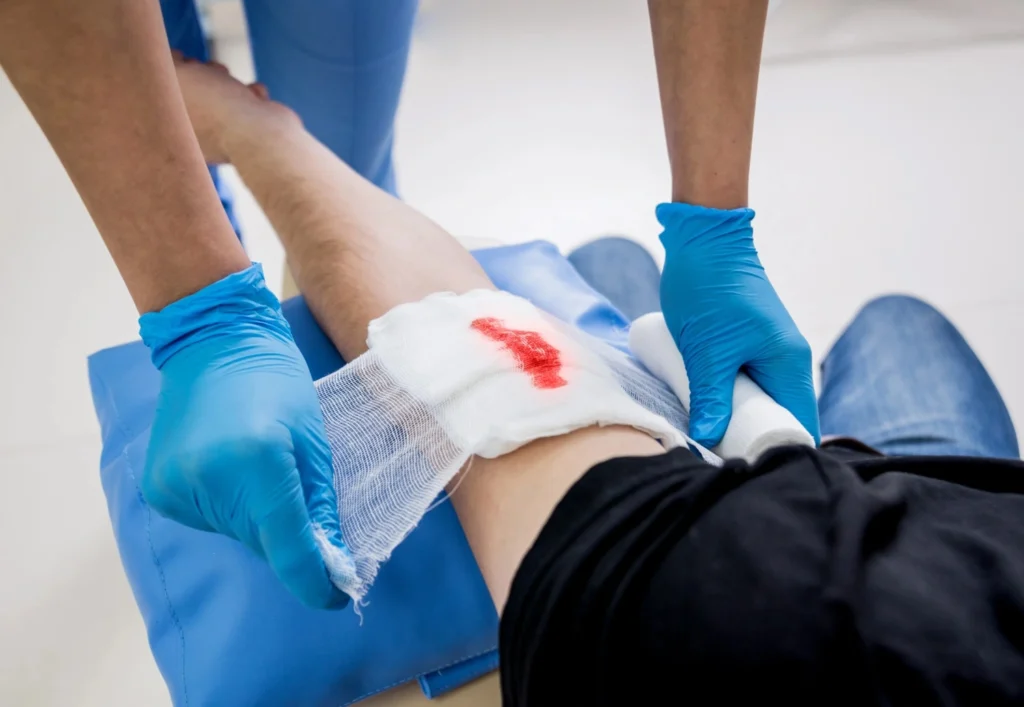
These injuries often affect muscles, joints, and ligaments, sometimes leading to long-term discomfort if not treated properly.
Our MVA Injury Therapy Services in Calgary
We offer comprehensive MVA Injury Therapy in Calgary, including:
- Physiotherapy – Restore movement and reduce pain
- Chiropractic Care – Improve alignment and relieve pressure
- Massage Therapy – Reduce muscle tension and improve circulation
- Exercise Rehabilitation – Strengthening and Mobility programs
- Pain Management Techniques – Targeted treatments for faster healing
- Concussion and Vestibular Therapy – For dizziness and balance issues
Our multidisciplinary approach ensures complete recovery and better results.
How MVA Injury Therapy Works
MVA rehabilitation follows a structured process to ensure effective recovery:
- Initial Assessment – Identify injuries and functional limitations
- Treatment Plan – Customized plan based on your condition
- Therapy Sessions – Hands-on treatment and guided exercises
- Ongoing Evaluation – Monitor progress and adjust treatment
This coordinated care approach helps reduce pain, restore Mobility, and return to daily activities safely.
Benefits of MVA Injury Therapy in Calgary
Choosing professional MVA Injury Therapy in Calgary offers several benefits:
- Faster recovery from accident-related injuries
- Reduced pain and inflammation
- Improved Mobility and flexibility
- Prevention of long-term complications
- Better physical and mental wellbeing
- Safe return to work and daily activities
We focus on both immediate Relief and long-term recovery.

Who Can Benefit from MVA Injury Therapy?
Our MVA Injury Therapy in Calgary services are ideal for:
- Individuals involved in car accidents
- Patients with whiplash or soft tissue injuries
- People experiencing chronic pain after an accident
- Individuals recovering from concussions
- Workers needing rehabilitation after injury
- Anyone seeking safe and guided recovery
No matter the severity of your injury, early treatment can significantly improve your recovery outcomes.
Book Your MVA Injury Therapy in Calgary Today
Don’t let accident-related injuries affect your life. Choose Miracure Physio for trusted and effective MVA Injury Therapy in Calgary.
📞 Call us today to schedule your appointment
📧 Visit our website to book your consultation
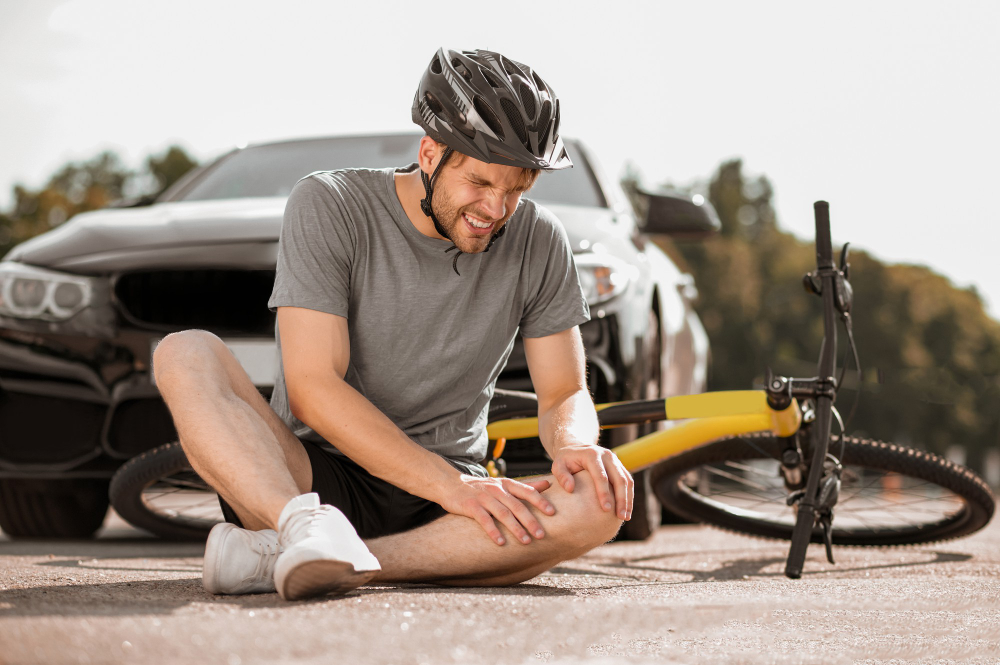
Let Miracure Physio help you recover faster, reduce pain, and regain your strength after an accident.
Our Other Services
MVA Injury Therapy in Calgary
1. What is motor vehicle accident therapy?
A. Motor vehicle accident therapy refers to specialized treatments designed to address physical and emotional injuries sustained in car accidents. It often includes physical therapy, cognitive-behavioural therapy (CBT), and other interventions to help individuals recover from pain, trauma, and functional impairments.
2. How soon should I start therapy after a car accident?
A. It’s best to start therapy as soon as possible after a car accident to prevent injuries from worsening. Early intervention helps manage pain, improve Mobility, and address potential emotional trauma like post-traumatic stress disorder (PTSD).
3. What types of injuries can motor vehicle accident therapy treat?
A. Common injuries treated include whiplash, fractures, sprains, strains, post-concussion syndrome, back pain, and emotional distress such as anxiety or PTSD.
4. What is cognitive-behavioural therapy for MVA-related PTSD?
A. Cognitive-behavioural therapy (CBT) for MVA-related PTSD focuses on techniques like relaxation training, exposure therapy, and cognitive restructuring to reduce symptoms such as flashbacks, anxiety, and emotional distress.
5. Is motor vehicle accident therapy covered by insurance?
A. Many insurance providers cover motor vehicle accident therapy if it’s deemed medically necessary. It’s recommended to check with your provider for specific coverage details.