
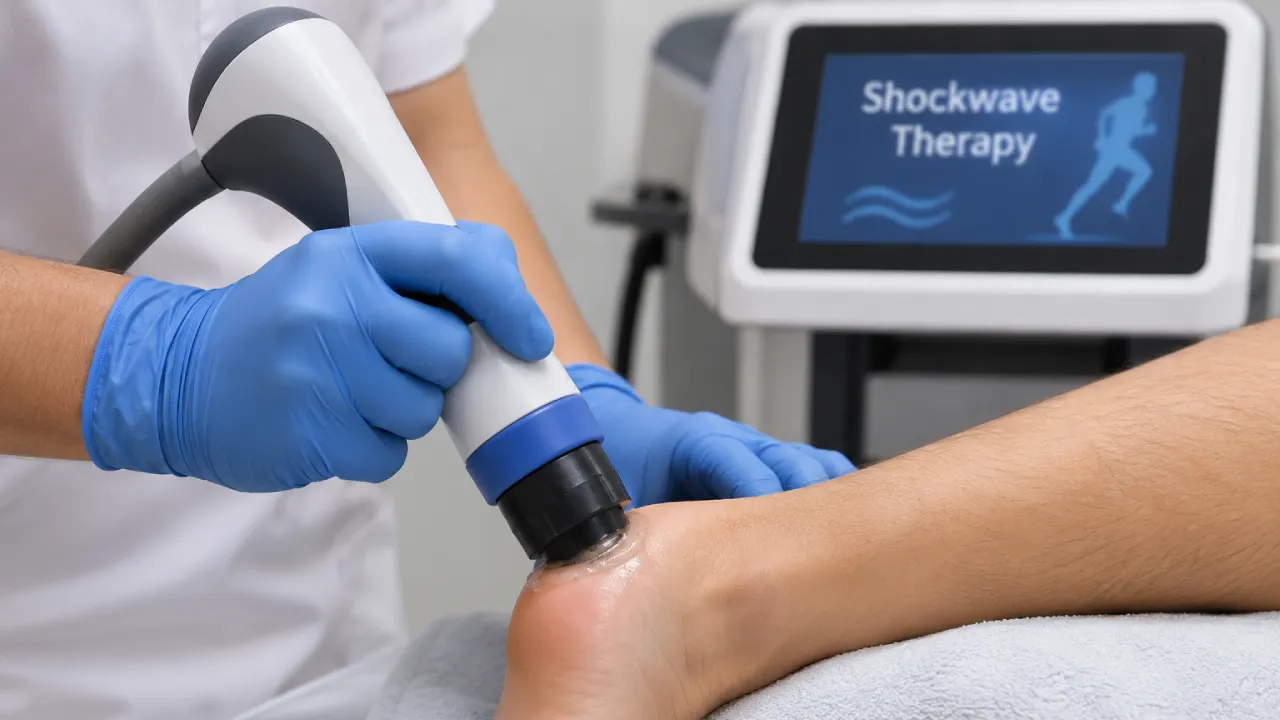
Exploring the Role of Shockwave Therapy in Managing Persistent Muscle Discomfort in Calgary
Chronic muscle pain can affect many aspects of everyday life, from walking and exercising to working, driving, and completing household activities. While occasional muscle soreness may settle with rest, persistent discomfort can continue for weeks or months. It may develop because of repetitive movements, sports injuries, muscle overuse, poor posture, prolonged sitting, or strain caused by daily physical activities.
For people living with ongoing muscle discomfort, finding an appropriate treatment approach is an important step towards improving movement and daily comfort. Physiotherapy provides different treatment options that address muscle and soft tissue concerns. One approach that may be considered is Shockwave Therapy, a non-invasive treatment that delivers acoustic pressure waves to targeted areas of the body.
At Miracure Physiotherapy & Massage Clinic in Calgary, individuals dealing with persistent muscle discomfort can explore physiotherapy care based on their symptoms, physical condition, and movement difficulties. This treatment may be considered when conventional approaches have not provided sufficient improvement.
But how does this treatment work? What types of muscle problems may respond to it? And what should someone expect during a session? Learning about these aspects can help individuals make informed decisions about their physiotherapy care.
What Is Shockwave Therapy?
Shockwave Therapy is a non-surgical treatment that uses acoustic pressure waves to stimulate targeted tissues. These waves are delivered through a handheld device placed against the skin over the affected area.
The treatment creates mechanical stimulation within the targeted tissues. This stimulation may influence local circulation, cellular activity, and the body's natural tissue-repair processes. It is commonly used in physiotherapy for certain tendon and soft tissue conditions.
Depending on the equipment and clinical requirements, two main types of shockwave treatment may be used:
1. Focused shockwave treatment
Focused treatment directs acoustic energy towards a specific area at a selected depth. It may be considered when the affected tissue is located deeper within the body.
2. Radial pressure wave treatment
Radial treatment distributes pressure waves over a broader surface area. It is commonly applied to superficial muscles and soft tissue structures.
The appropriate method depends on the condition being assessed, the location of symptoms, and the physiotherapist's clinical judgement.
How Can Shockwave Therapy Help with Chronic Muscle Pain?
Persistent muscle discomfort can involve changes in tissue sensitivity, restricted movement, repeated mechanical strain, and irritation around surrounding soft tissues. Simply avoiding movement may not address the factors contributing to these problems.
Shockwave treatment introduces controlled mechanical stimulation to a selected area. This may encourage biological responses associated with tissue activity and circulation.
Here are several ways it may contribute to managing ongoing muscle discomfort.
1. Supports Local Blood Circulation
Healthy circulation plays an important role in supplying oxygen and nutrients to body tissues. It also supports the removal of metabolic waste products.
Mechanical stimulation from acoustic pressure waves may influence local blood flow and vascular activity. This response may contribute to the tissue environment needed for normal repair processes.
For individuals with persistent soft tissue complaints, improved local circulation may be one factor considered within a wider physiotherapy program.
However, circulation changes do not guarantee that every person will notice a reduction in symptoms.
2. Stimulates Cellular Activity
Muscles and surrounding connective tissues contain cells that participate in maintaining and repairing body structures.
Research suggests that mechanical stimulation from shockwave treatment may influence certain cellular processes, including activity associated with tissue regeneration and remodelling.
These responses are among the reasons this approach is used for selected musculoskeletal conditions.
The response can vary depending on the tissue involved, the severity of the condition, treatment settings, and individual health factors.
3. May Help Reduce Pain Sensitivity
Persistent muscle discomfort can sometimes involve increased sensitivity in the affected area. Everyday movements, pressure, or physical activity may trigger discomfort even when the original injury occurred some time ago.
Acoustic pressure waves may influence pain-related nerve signalling and local tissue responses. Some individuals experience changes in their discomfort following a course of treatment.
However, results are not immediate or guaranteed. A physiotherapist should assess whether this approach is appropriate and monitor the response over time.
4. Supports Mobility and Physical Activity
Muscle discomfort may cause individuals to avoid certain movements. For example, someone with calf tightness may find walking difficult, while a person with shoulder discomfort may struggle to reach overhead.
When symptoms interfere with normal movement, physiotherapy may combine manual treatment, therapeutic exercises, mobility activities, and other appropriate interventions.
Shockwave treatment may form one part of this process when clinically indicated. The wider aim is to address movement limitations and help individuals gradually return to their usual activities.
5. Addresses Selected Persistent Soft Tissue Conditions
Certain tendon-related conditions and soft tissue complaints can remain troublesome despite initial care.
Shockwave treatment is frequently considered for conditions such as plantar fasciopathy, Achilles tendinopathy, and some forms of lateral elbow tendinopathy. Evidence and treatment recommendations vary by condition.
For muscle-related complaints, a physiotherapist must first determine whether the symptoms originate in muscle tissue, tendons, joints, nerves, or another structure. This distinction is important because not every type of chronic muscle pain responds to the same treatment.
5 Key Benefits of Shockwave Therapy for Chronic Muscle Pain
When recommended following a clinical assessment, Shockwave Therapy may provide several advantages as part of a physiotherapy program.
1. Non-Surgical Treatment Option
One notable feature is that the treatment does not require surgery or an incision. Acoustic pressure waves are delivered externally through a handheld device.
This may make it an option for individuals who are suitable candidates for non-invasive musculoskeletal care.
It is important to remember that non-surgical treatment does not mean that it is appropriate for every condition. A proper assessment is still necessary.
2. Targeted Treatment Application
The treatment can be applied to a specific area identified during the assessment. This allows the physiotherapist to focus on the affected tissue rather than applying treatment randomly across the body.
The location, intensity, and number of pulses can be adjusted according to the treatment plan and the individual's response.
3. Short Treatment Sessions
A session generally takes a relatively short amount of time, although the duration depends on the body area, treatment settings, and clinical requirements.
This can make it easier for individuals to include physiotherapy appointments in their weekly schedules.
The number of sessions required varies. Some people may need several appointments, while others may require a different treatment approach altogether.
4. Can Be Combined with Physiotherapy Exercises
Muscle discomfort often involves more than one contributing factor. Reduced strength, limited flexibility, repetitive strain, and movement habits may all play a role.
Shockwave treatment can be combined with suitable exercises when clinically appropriate. These activities may focus on muscle strength, flexibility, coordination, and movement control.
Combining different physiotherapy methods can address several aspects of a person's movement difficulties rather than focusing on one symptom alone.
5. May Support a Gradual Return to Daily Activities
Persistent discomfort can interfere with everyday routines, including walking, standing, lifting, gardening, and recreational activities.
When treatment is appropriate and symptoms respond, individuals may find it easier to participate in their usual activities.
A gradual return to movement is important. Activity levels should be adjusted according to symptoms and the physiotherapist's recommendations rather than increased suddenly.
Common Causes of Chronic Muscle Pain
Before selecting any treatment, it is important to identify why the discomfort is occurring. Several factors can contribute to persistent muscle symptoms.
Repetitive movements: Performing the same physical task repeatedly can place stress on particular muscle groups. This is common among people who work at computers, perform manual labour, or participate in repetitive sports activities.
Poor posture: Remaining in one position for extended periods may contribute to muscle tension, particularly around the neck, shoulders, and back.
Sports-related strain: Running, weightlifting, cycling, and other physical activities can place considerable demands on muscles and surrounding tissues.
Previous injuries: A previous muscle strain or injury may leave ongoing movement limitations or sensitivity, especially when rehabilitation has been incomplete.
Prolonged sitting: Spending much of the day seated can contribute to stiffness and reduced movement in certain muscle groups.
Insufficient recovery: Repeated physical activity without adequate recovery time may contribute to persistent muscle fatigue and discomfort.
Identifying these factors helps a physiotherapist determine which interventions may be appropriate.
Who May Be a Suitable Candidate?
Shockwave treatment may be considered for individuals experiencing selected musculoskeletal conditions that have not responded sufficiently to initial conservative care.
Potential candidates may include:
- Individuals with persistent tendon-related discomfort.
- People experiencing selected soft tissue conditions.
- Active individuals dealing with certain overuse injuries.
- Workers with recurring musculoskeletal complaints.
- Individuals whose movement is affected by specific chronic tissue conditions.
However, it is not suitable for everyone. A physiotherapist should review medical history, symptoms, affected tissues, and other relevant factors before recommending treatment.
People with certain bleeding disorders, active infections, pregnancy-related considerations, blood-clotting concerns, or particular medical conditions may require additional precautions. Treatment over certain anatomical areas may also be unsuitable.
What Happens During a Shockwave Therapy Session?
Knowing what happens during an appointment can help reduce uncertainty for people considering this treatment.
Step 1: Initial Assessment
The physiotherapist begins by discussing the symptoms, their duration, previous injuries, activity levels, and daily movement difficulties.
A physical examination may include checking muscle tenderness, joint movement, flexibility, strength, and functional ability.
Step 2: Identifying the Treatment Area
Once the likely source of symptoms has been assessed, the physiotherapist determines whether shockwave treatment is appropriate.
The affected area is identified, and the treatment method is selected according to the clinical findings.
Step 3: Applying the Treatment
A handheld device is placed against the skin using a suitable contact medium, commonly a gel.
The device delivers controlled acoustic pulses to the selected area. Individuals may feel tapping, pressure, or temporary discomfort during application.
Treatment intensity should be adjusted according to tolerance and clinical requirements.
Step 4: Reviewing the Response
After the session, the physiotherapist may discuss any temporary tenderness, changes in symptoms, and activity recommendations.
Some people notice temporary sensitivity after treatment. The response varies, and improvement may take time.
Step 5: Continuing With the Physiotherapy Program
Further appointments may be recommended depending on the condition and response.
The program may also include stretching, strengthening, movement training, and advice about managing physical activity.
Is Shockwave Therapy Painful?
The sensation varies from person to person. Some individuals describe the treatment as a series of tapping or pulsing sensations, while others experience temporary discomfort when the device is applied to a sensitive area.
The intensity can generally be adjusted during the session. It is important to communicate with the physiotherapist if the sensation becomes uncomfortable.
Mild tenderness, redness, or temporary sensitivity may occur after treatment. Significant or worsening symptoms should be reported to the treating professional.
How Many Sessions May Be Required?
There is no fixed number of appointments for everyone. The treatment schedule depends on the condition, symptom duration, affected tissue, and response to previous sessions.
Some treatment protocols involve a small number of sessions spaced approximately one week apart. However, the appropriate schedule should be determined by the treating physiotherapist and may differ according to the condition.
It is also important to review progress rather than continuing treatment without assessing whether it is helping.
Why Combine Shockwave Treatment with Other Physiotherapy Methods?
Chronic muscle discomfort may involve several contributing factors. Addressing only the painful area may not resolve the movement habits or physical limitations associated with the problem.
A physiotherapy program may include:
Therapeutic exercises: Strengthening activities can help improve muscle capacity and support normal movement.
Stretching: Appropriate stretching may help address restricted flexibility in selected muscle groups.
Manual therapy: Hands-on techniques may be used to address movement restrictions and soft tissue concerns.
Posture and movement education: Learning how to adjust working positions, lifting habits, and repetitive movements may help reduce unnecessary physical strain.
Activity modification: Temporarily adjusting demanding activities can provide an opportunity to manage symptoms while maintaining suitable levels of movement.
At Miracure Physiotherapy & Massage Clinic in Calgary, discussing these treatment options with a physiotherapist can help individuals understand which methods may be appropriate for their condition.
When Should You Seek Professional Assessment?
Persistent muscle discomfort should not always be attributed to ordinary soreness or physical fatigue.
Consider arranging a clinical assessment if you notice:
- Muscle discomfort continuing for several weeks.
- Repeated symptoms during everyday activities.
- Restricted movement around a joint or muscle group.
- Discomfort that returns after physical activity.
- Difficulty completing work-related or recreational tasks.
- Symptoms that are not responding to initial self-care measures.
Seek prompt medical attention for sudden severe pain, significant swelling, unexplained weakness, fever, or symptoms following a serious injury. Chest pain, breathing difficulties, or sudden neurological symptoms require emergency assessment.
A clinical evaluation can help identify the source of the problem and determine whether physiotherapy or another form of medical care is required.
Why Consider Miracure Physiotherapy & Massage Clinic in Calgary?
Living with persistent muscle discomfort can make ordinary activities more difficult. Finding out what is contributing to the symptoms is an important first step towards making informed decisions about care.
Miracure Physiotherapy & Massage Clinic in Calgary provides a setting where individuals can discuss their movement concerns and explore suitable physiotherapy options.
Whether symptoms are associated with repetitive strain, physical activity, previous injuries, or ongoing soft tissue complaints, a clinical assessment can help determine the next steps.
The treatment plan should reflect the individual's symptoms, physical findings, activity requirements, and response to care. Where appropriate, Shockwave Therapy may be considered alongside exercises and other physiotherapy interventions.
Individuals should feel comfortable discussing their concerns, asking questions about treatment, and reporting changes throughout their care.
Frequently Asked Questions
1. Can Shockwave Therapy help with chronic muscle pain?
It may help selected musculoskeletal conditions by providing mechanical stimulation to targeted tissues. Its suitability depends on the source of discomfort. A physiotherapist should assess whether the symptoms involve muscles, tendons, or another structure before recommending treatment.
2. How long does a shockwave treatment session take?
A session commonly takes around 5–15 minutes for the application itself, depending on the affected area and treatment requirements. The full appointment may take longer because it can include assessment, discussion, and exercise recommendations.
3. Are there any side effects of shockwave treatment?
Temporary tenderness, redness, swelling, or sensitivity may occur following treatment. Some individuals may notice temporary discomfort during application. Serious or persistent symptoms should be discussed with a healthcare professional.
4. Can shockwave treatment be combined with physiotherapy exercises?
Yes, it may be combined with suitable strengthening, stretching, and movement exercises when clinically appropriate. The physiotherapist determines how these interventions should fit into the treatment program.
5. How do I know whether I need shockwave treatment?
An assessment is necessary to identify the source of the symptoms and determine whether this treatment is appropriate. Not every muscle complaint requires shockwave treatment, and other physiotherapy methods may be more suitable for certain conditions.
Take the Next Step
Persistent muscle discomfort can interfere with work, exercise, household responsibilities, and everyday movement. Ignoring recurring symptoms may also make it harder to identify the factors contributing to the problem.
If you are dealing with ongoing muscle discomfort, consider speaking with a physiotherapist about your symptoms and available treatment options.
At Miracure Physiotherapy & Massage Clinic in Calgary, you can discuss your movement concerns and learn whether Shockwave Therapy, therapeutic exercises, or other physiotherapy approaches may be suitable for your condition.
Phone: +1 825-540-1254
Address: 3149 5 Ave NE, Calgary, AB T2A 6C9, Canada